Sci-fi Slots: Free Demo & Reviews
This hub covers 74 Sci-fi titles available on this site, averaging 95.73% RTP against a 95.71% site average, with top providers and two picks to try.


On this site, sci-fi slots make up a mid-sized cluster of 74 games, enough to give you real choice without being overwhelming, and this page sums up what that catalogue looks like in aggregate rather than reviewing a single title.
What makes a slot a ‘Sci-fi’ title
This tag covers games built around science-fiction imagery and ideas. In practice that means futures, space, technology, and speculative settings, rather than a single mechanic or pay structure. Because the label is visual and narrative, two games under the same heading can play very differently at the reel level even when they share art direction.
A game receives this tag in the site database when its presentation leans into that futuristic palette — spacecraft, distant planets, artificial intelligence, robotics, laboratory and engineering motifs, cityscapes that read as future rather than present, and characters or creatures positioned as products of advanced science. The tag does not imply any shared rule set. Volatility, reel count, payline model, hit frequency and bonus structure are set per title and vary widely across the theme.
That separation matters because theme is not a performance category. It tells you what you will see and where the fiction is set, not how the math behaves. You can use it to find a look and tone you enjoy, then assess each game on its own published information such as RTP, provider, and listed mechanics.
On a free-demo site the practical value of the tag is discovery. If you tend to prefer technology-led or space-led art over historical or natural settings, filtering to this group narrows the 74 options quickly. From there the rest of the comparison on this page — how common the group is, how its average RTP sits against the site average, which studios appear most often — helps you decide whether to browse broadly or go straight to specific titles.
Where mechanics overlap with theme they are described elsewhere in the database. For example, a science-fiction presentation may appear together with a Buy Bonus tag or a Megaways tag on the same game, but those are separate classifications for how the game works. The Sci-fi tag itself does not add, remove, or change those mechanics; it only signals the fiction around them. Keeping that distinction in mind makes it easier to judge the cluster without assuming two titles will feel similar because they share a background.
Sci-fi slots by the numbers
This cluster contains 74 games carrying the Sci-fi tag on this site. That scale places it well above a niche interest and well below the very largest themes in the catalogue, so you have enough variety for comparison while still being able to scan the group in a single session. Every figure that follows comes from the site’s own database, not from the wider market, and applies only to the games published here.
The average RTP for the group is 95.73% on this site. The site-wide average across all games is 95.71%. The difference for this cluster against the site average is +0.02 percentage points, which is a marginal deviation. Read that exactly as a site-specific aggregate, not as a property of the fiction itself. Individual titles sit above and below that mean, and RTP remains a per-game, long-run statistical average, not a prediction for any single session.
Because the average is so close to the site mean, there is no material up-or-down signal attached to the label. In other words, choosing a title because you like the futuristic presentation does not in itself shift the expected return in this dataset; you still evaluate each game on its own number and structure.
Use the table below as a quick reference for the aggregate facts before moving to provider patterns and entry points.
| Measure | Value |
|---|---|
| Games on site with this tag | 74 |
| Average RTP for this tag | 95.73% |
| Site-wide average RTP | 95.71% |
| Difference vs site average | +0.02 percentage points |
The distribution behind that average matters more than the average alone. With 74 titles you will find examples clustered tightly around the middle and a handful further away, which is normal for any large group. That is why the hub links to named titles further down rather than pointing to the group mean as a guide for any one pick.
If you want a systematic way to use these numbers, treat the table as a baseline for the catalogue and then compare any individual game’s published RTP to the two averages here. A title above 95.73% sits above the theme mean on this site; a title above 95.71% sits above the site mean on this site. Neither comparison changes the mechanics or the randomness of the next spin, it simply places the single figure in context.
The catalogue size also affects how you browse. At 74, the group is large enough that filtering by provider or by an additional mechanic is useful when you want a particular style within the futuristic setting, whether that is a compact grid or a more traditional reel set. The provider breakdown in the next section gives a concrete starting point for that kind of filtering.
Providers building Sci-fi slots
Five studios account for the largest shares of this cluster in the site database, which points to where the visual and narrative treatment appears most often here.
ELK Studios appears at the top with 5 games, followed by Pragmatic Play with 4, Mascot Gaming with 4, Play’n GO with 4, and Light & Wonder with 3. Together those five studios contribute 20 of the 74 titles, or just over a quarter of the group, so you will encounter their art and interface choices repeatedly while browsing. The remainder is spread across other providers, which keeps the overall look from being uniform.
That pattern is useful when you know which provider catalogues you tend to prefer. If you have liked ELK Studios’ approach elsewhere on the site, this theme gives you the deepest narrow set from that studio. If you lean toward Pragmatic Play, Mascot Gaming, or Play’n GO, each offers a smaller but still meaningful set of four titles within the group. Light & Wonder follows closely with three.
Provider counts do not describe quality or performance and do not change RTP on their own; they describe frequency. In a theme defined by setting rather than by a shared engine, frequency hints at who has returned to the setting most often in the games that have been published here so far. Expect differences in iconography and sound, in how menus and paytables are laid out, and in how bonus features are presented, even when two titles share the same background idea.
Because the tag is not tied to a single mechanic, you will also see cross-tags inside the provider sets. A studio may pair a futuristic presentation with different reel models or feature structures across its own titles, and another studio may pair the same presentation with a different selection again. Viewing the group by provider therefore works best as a way to sample presentation styles, not as a proxy for a particular mathematical profile.
For practical browsing, start with the provider whose past games you already understand, then expand outward. If you have no provider preference, the counts above at least tell you which names will give you the largest number of direct comparisons inside the futuristic setting before you move to the wider, more distributed remainder of the catalogue.
Where to start
With 74 games to choose from, starting from named examples makes scanning faster. The site currently highlights two published titles in this group. Both are live on the site to try in demo, and both illustrate how the same broad setting can be paired with different production choices.
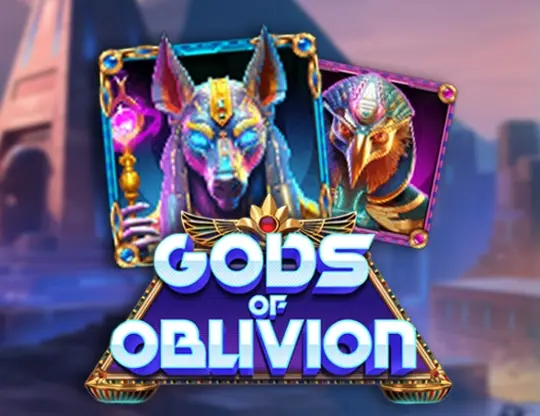
- Gods of Oblivion by Pragmatic Play, published with an RTP of 94.5% in the site data. Pragmatic Play is one of the most frequent contributors to this cluster on this site, and this title is the clearest example from that studio within the highlighted set.
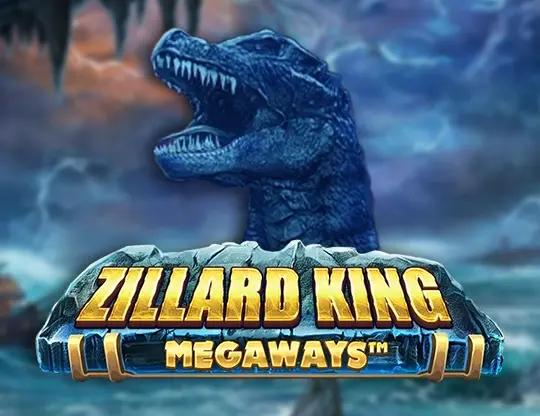
- Zillard King Megaways by Red Tiger Gaming, published with an RTP of 95.72% in the site data. Its listed provider sits outside the top five by count for the theme on this site, which reflects the long tail of studios that add single titles around the core provider groups.
Taken together the two picks show the range you will find after the averages. One sits below the theme mean of 95.73% and below the site mean of 95.71%, the other sits effectively at the theme mean and marginally above the site mean, yet both share the same theme tag. That contrast reinforces the point above that the fiction tag does not set the number; each game’s own published figure does.
If you use these as entry points, treat them as orientation rather than recommendations of outcome. Open the paytable and information panel for each, note the reel layout, pay model, and any listed feature tags alongside the Sci-fi tag, and decide whether the presentation and structure match what you want to explore next. From there you can branch by provider — for more ELK Studios, Pragmatic Play, Mascot Gaming, Play’n GO, or Light & Wonder treatments of the same setting — or by an added mechanic you want to try within the futuristic art style.
Where the site lists free demos for other games in the cluster, the same approach applies: read the per-game facts first, then play the demo to see how the art, sound, and panel layout feel in practice. The aggregate figures at the top of this page give context for the group; the per-game figures on each title’s own page give the detail for that specific choice.
Before you play
Only play if you are 18+. Set a budget before you start and keep to it, treating any play as paid entertainment rather than a way to make money. If you need to pause, use the site’s limits or a timeout, and seek support from a recognised advice service in your jurisdiction if gambling stops feeling like entertainment. Demo modes use the same presentation without real funds and do not change the odds that would apply in paid play on the same title.