WMS Slots: Free Demo & Reviews
This hub covers 55 WMS titles on this site, with an average RTP of 96.01% against a site average of 95.71%, plus themes and starting picks.





Who is WMS?
If you are browsing wms slots on this site, you are looking at 55 titles currently listed under WMS in the database. That figure describes what is available here right now, not the studio’s total output elsewhere, and it is the only reliable way to judge the catalogue in this context. With 55 games, WMS sits in the middle range for this site: more than a small sample of five or ten releases, but well below the largest catalogues that run into the hundreds. It is enough material to spot recurring themes, RTP clustering and volatility spread without overgeneralising from a single hit title.
This page does not try to tell a company history, because the database contains none of that. There is no founding date, headquarters, licensing detail or employee count in FACTS, and adding any of it would be invention. What FACTS does contain is aggregate data drawn directly from the games that are live on this site today: how many there are, what their average return-to-player looks like against the site average, which themes appear most often, and a short list of concrete titles you can open as demos. That is the scope used throughout.
Reading the catalogue this way keeps the focus practical. You can see whether the studio leans toward particular settings, whether its RTPs cluster tightly or vary widely, and which individual games illustrate those patterns. You can also see where the data is thin. For example, theme counts show tendencies, not an official creative strategy, and RTP averages describe the set of 55 titles on this site, not a promise about any single session. Treat the numbers as descriptive of what is listed here, and use the picks at the end as entry points rather than a ranked best-of list.
In short, think of WMS on this site as a mid-sized, theme-diverse collection with enough entries to compare and contrast. The sections that follow break down the numbers, the theme patterns and a few specific titles drawn from the database, so you can decide what to try next without needing outside claims about the brand.
WMS by the numbers
The clearest way to place the catalogue is to compare its size and its average RTP to the rest of the site. The figures below come directly from the site’s own game database and describe only the 55 WMS titles that are currently listed, not the provider’s portfolio in general.
| Measure | Value |
|---|---|
| Games from WMS on this site | 55 |
| Average RTP for WMS on this site | 96.01% |
| Site-wide average RTP (all providers) | 95.71% |
| Difference vs site average | +0.30 percentage points |
An average of 96.01% across 55 games sits 0.30 percentage points above the corpus average of 95.71%. On this site’s data that is a modest upward deviation, not an outlier. It means that, taken as a group, the WMS titles here average slightly higher than the typical game in the database, but the gap is small enough that individual titles will still fall both above and below that line. You should read it as a property of this set of 55, not as an industry-wide statement about the studio and not as an indication of what will happen in any single session.
Because RTP is a long-run average calculated over many spins, it does not predict short-term results and it does not imply that a higher-average catalogue pays better in a given sitting. Variance, volatility, hit frequency and bonus design all shape how a session feels, and those vary title by title. What the table does give you is context for browsing: if you filter or sort by RTP on this site, you will find WMS titles clustering a little above the middle of the site-wide distribution, with the spread represented by the picks below ranging from 95.97% to 96.05%.
Game count matters for how far you can push that comparison. With 55 games the average is less sensitive to a single high or low title than it would be for a provider with only three or four games listed. At the same time, the average still reflects only what is on this site today. If titles are added or removed, the figure will move. Use it as a snapshot for planning which demos to open, not as a fixed attribute of the brand beyond this database.
What WMS slots tend to look like
The database assigns one or more themes to each title, and the most frequent themes for WMS on this site form a clear but not narrow profile. The top five counts overlap and leave room for other settings, which suggests variety rather than a single signature style.
Fairy tales leads the list with 6 titles, followed by three groups tied at 5 each: Mythology, Medieval and Animals. Money and wealth follows with 4. Together those five labels account for 25 theme assignments across the 55 games. Because a game can carry more than one label in the underlying data and many titles sit outside the top five, you will also encounter other settings as you browse, but these five are the most repeated patterns in the current set.
In practical terms, that means you will see a lot of narrative, character-driven settings drawn from legend and folklore alongside animal-led games and wealth-themed titles. Mythology here includes the expected god and legend motifs, as illustrated by a title like Zeus in the picks, while Medieval covers knights, arenas and related imagery, as seen with Spartacus Call to Arms. Fairy tales points to storybook structures and stylised characters rather than a single franchise, and Animals captures nature and wildlife presentations. Money and wealth is the familiar coin, treasure and luxury iconography that appears across many providers and shows up in the WMS set as a secondary but steady thread.
What the data does not show is intent. These counts describe what has been published and listed on this site, not a declared creative direction for the studio. Treat them as browsing signals: if you prefer mythology or medieval settings, this catalogue gives you multiple options to compare; if you prefer to avoid those, you will still find alternatives within the same 55, since no single theme dominates a majority of the list. Theme also says little on its own about mechanics. Two games can share a Medieval label and differ completely in volatility, bonus frequency and feature structure, which is why the individual RTP and volatility notes in the next section are more useful for choosing a first demo than theme alone.
A useful way to explore is to sample across the top themes rather than staying inside one. Open one mythology title, one medieval title and one from outside the top five to see how presentation and pacing change. The theme distribution suggests you will not have to look far to do that, because each of the leading themes has several representatives in the current catalogue.
Where to start
With 55 titles, the most efficient approach is to start with a small set that illustrates different themes and RTP points, then branch out according to what you prefer. The four picks below are taken directly from FACTS and are all present in the site’s database with verified slugs and RTPs. They are not a ranking and they do not imply that these are the highest-rated or most popular games overall; they are concrete examples you can open to get a feel for the broader catalogue.
Zeus is listed with an RTP of 95.97% and a Mythology theme. It represents the mythology strand that accounts for five titles in the collection and gives you a baseline for how that setting is presented in this catalogue. Compare its pacing and feature triggers to other mythology titles if you want to see how much variation exists inside the same theme.
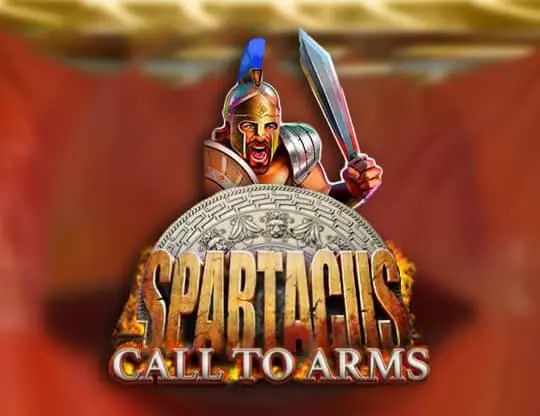
Spartacus Call to Arms is listed at 96.05% with a Medieval theme. It exemplifies the medieval group, also five titles strong, and sits at the higher end of the RTP spread among the picks. It is a useful counterpoint to Zeus if you want to compare two history-tinged settings that use different visual and audio treatments.
Invaders from the Planet Moolah is listed at 96.00% with a medium volatility tag and an Aliens theme. This one is notable for two reasons: it is the only pick that includes a volatility descriptor in the data provided here, and its theme sits outside the top five. That makes it a good test of how the catalogue handles a more unusual setting and a defined volatility level against the storybook and historical titles.
Bier Haus is listed at 96.00% with a Relax theme. Like Invaders from the Planet Moolah it shares the 96.00% mark, which is close to the provider’s average of 96.01% on this site. It offers a lighter presentation compared with the mythology and medieval picks and shows the range that exists beyond the most frequent themes.
Taken together, these four cover an RTP band from 95.97% to 96.05%, three of the broader theme categories and one medium volatility example. If you prefer a structured sampling order, start with one mythology and one non-top-five theme, note the difference in pacing and bonus frequency over a short demo, then try a second theme from the top five. Because all demos are free on this site, you can use that first pass to decide whether to explore more deeply inside a theme you liked or to keep sampling widely across the 55. If no picks were available for a provider, this section would stay at the aggregate level, but here the data provides four concrete links to use.
Before you play
Demo play is for learning and entertainment, not a way to test or predict real-money outcomes. An RTP such as 96.01% is a long-run average across many spins for the set of games measured, and a volatility label such as medium describes the typical distribution of wins over time. Neither tells you what will happen in your next session, and a free demo does not change the underlying maths.
Set a budget in advance if you decide to play with real money, and treat that budget as the cost of entertainment you pay for, not as income or a way to recover losses. Only play with money you can afford to lose, take breaks, and use available tools such as deposit limits, time reminders and self-exclusion if they help you stay in control. You must be 18+ to gamble. If gambling stops feeling like entertainment or starts causing stress, seek support from a trusted person or a recognised help service in your jurisdiction and pause play until you have advice.