Just For The Win Slots: Free Demo & Reviews
This hub covers 74 Just For The Win games on this site, averaging 95.8% RTP, with themes and featured titles to try in demo mode.



Just For The Win in one minute
If you want to sample just for the win slots without leaving this site, this page is the starting point for the studio’s catalogue as it exists here. The database behind this site currently lists 74 games from Just For The Win, which is a sizable collection compared to many other studios hosted here. That number alone tells you the catalogue is not a handful of one-off releases but a broader portfolio you can browse by theme and payout level. Because this hub is built only from what is actually published on this site, the figures, themes and titles below reflect on-site data rather than any external claim about the company itself.
On this site, Just For The Win averages 95.8% RTP across those 74 games. That figure sits just above the site-wide average of 95.71%, a difference of 0.09 percentage points when you compare all providers in the same database. In practical terms that means the studio’s average on this site is essentially in line with the overall catalogue, not markedly higher or lower. RTP is calculated as a long-run theoretical average across many spins, so it does not predict what happens in any single session, and it does not change between demo and real-money versions of the same game on this site.
What you can expect as you browse is variation within that average. Some individual titles sit a little above the studio mean, some a little below, which is normal for any portfolio of this size. The spread is narrow here, and the detailed comparison in the next section shows exactly how the numbers break down on this site. For now, the short summary is that you have 74 options to filter and try, with an aggregate return level that tracks very closely to the site-wide norm, and with recurring themes that make it easier to pick where to start.
This page helps you do that without jumping between individual game reviews. The sections below lay out the RTP comparison in numbers, the themes that appear most often in the on-site collection, and a short selection of specific titles that are available to open directly. If you are new to the studio, that structure lets you move from the overall picture to a few concrete examples in one place, then return to the full list once you know which style you prefer.
How Just For The Win’s RTP compares to the rest of the catalogue
RTP, or Return to Player, is a theoretical percentage indicating how much a game is designed to return over a very large number of spins. It is not a promise for any session, and it does not suggest that demo outcomes carry over to real-money play. What it does offer is a consistent way to compare games and providers within the same dataset. The numbers below are drawn only from this site’s database, so they describe how Just For The Win looks inside this catalogue, not across the wider industry.
Across its 74 games on this site, the studio records an average RTP of 95.8%. The site-wide average across all providers and all games in the same database is 95.71%. That puts Just For The Win 0.09 percentage points above the site mean. With a catalogue of this size, that small positive gap is best read as alignment rather than an outlier. A difference under a tenth of a point means the average sits very close to what you see elsewhere on the site, with normal title-by-title variation around it.
| Measure | Value on this site |
|---|---|
| Games from this provider on site | 74 |
| Average RTP for this provider | 95.8% |
| Site-wide average RTP | 95.71% |
| Difference vs site average | +0.09 percentage points |
Because the collection is relatively large, that average is not driven by one or two extremes. The three specific titles highlighted later in this hub illustrate the range: Trojan Kingdom at 96.12%, Rubies of Egypt at 96.1%, and Rising Royals at 96.01%. Each of those sits above both the studio average and the site-wide average, which shows that you can find individual games a little higher than the mean while the portfolio as a whole remains close to the centre. The opposite is also true elsewhere in the list, where some titles sit a little lower, balancing the overall figure.
When you use RTP to choose what to try, treat it as one filter among others rather than a predictor. A game with a higher published percentage does not pay more in a given session, and a game near the provider average can still produce varied short-term results. On this site, the most useful takeaway is that Just For The Win’s catalogue does not tilt far from the general level you see across other studios here, so theme, features and volatility style are often more helpful for picking a starting point than a small RTP gap alone.
Themes and styles
Themes in this hub are counted directly from the tags attached to the 74 games from this provider on this site. They describe patterns in what is published here, not a statement about the studio’s overall creative direction outside this database. The five most frequent tags give a clear sense of where the on-site collection clusters.
Animals appears most often, with 6 games carrying that tag in the current on-site list. Mythology and Egypt follow, each with 5 games. Western is next with 4, and Nature with 3. Those counts are small individually, which reflects a catalogue that spreads across multiple subjects rather than concentrating all 74 titles into one or two themes. You will still see those five ideas recur as you scroll the full provider listing, and they provide a simple way to narrow your browsing.
What this pattern means in practice is that you can start from the theme you know you enjoy and find several relevant options without exhausting the list. If you filter for Animals, you have half a dozen candidates from this provider on this site. Mythology and Egypt each offer five, so you can compare titles within the same setting and see how mechanics differ between them. Western and Nature are a little smaller as groups but still large enough to compare two or three games side by side.
Beyond the top five, the remaining games are distributed across other tags that appear less frequently in this collection. Because only the aggregate counts are available in this dataset, the theme names themselves are the most reliable guide. They do not tell you about specific features, payline structures or bonus formats, but they do tell you which settings the studio has revisited most often among the games actually hosted here. If you prefer one setting over another, beginning with its group and then sampling a title from a second group is a quick way to cover more of the 74 without opening every entry.
As with RTP, theme is best treated as a browsing aid. Two games that share the same theme tag can still differ in pace and structure, and two games with different tags can feel similar in how they play. Using the counts above as a map, you can pick a cluster that interests you, try one or two titles in demo mode, and then decide whether to stay within that theme or explore a different part of the catalogue.
A few Just For The Win slots to demo first
If you want concrete starting points from the 74 games on site, the three titles below are linked directly from this hub. They are drawn from the small pick set supplied by the site database and each entry includes only what that database provides: name, slug and, where published, theme and RTP. Use them as entry points to the broader list rather than as a complete best-of list.
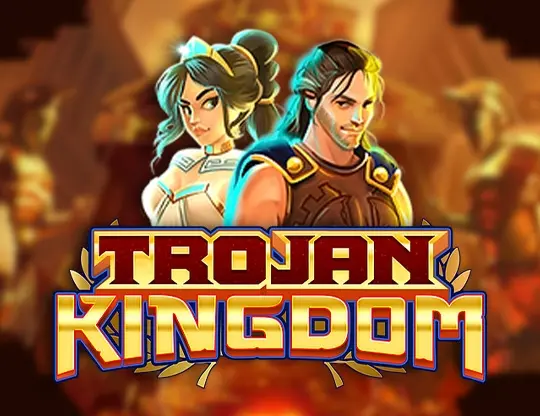
Trojan Kingdom is listed with a 96.12% RTP and a Mythology theme. That places it above both the provider average of 95.8% and the site-wide average of 95.71% within this dataset. The Mythology tag also matches one of the provider’s most frequent themes on this site, so it is a direct example of a recurring setting paired with a return figure that sits a little above the mean. Opening it gives you a sense of how the studio presents that theme among the games hosted here.
Rubies of Egypt shows a 96.1% RTP and an Egypt theme. Egypt is the other theme tied for second most common in the on-site collection, with 5 games carrying that tag. Like Trojan Kingdom, this title’s published RTP is above the studio and site averages in this database, and it belongs to a theme group where you can compare several alternatives from the same provider without leaving the Egypt filter.
Rising Royals is listed at 96.01% RTP. No theme tag is supplied for this pick in the current dataset, so the entry is presented on its return figure alone. At 96.01% it also sits above the provider mean and the site mean as measured here. It works as a third starting point if you want to sample a game that is not grouped by the top themes above, or if you are comparing titles mainly by published percentage within this catalogue.
Together these three cover 3 of the 74 games on site and illustrate the narrow range around the average in this provider’s section. Each is above 95.8%, the provider’s on-site mean, but none is far from it, which mirrors the overall picture of a portfolio that stays close to the site norm. From here you can continue through the full provider listing to find more Animals, Western or Nature titles, or stay within Mythology and Egypt to compare the other games that share those tags.
Playing demos before real money
Trying a game in demo mode lets you see its layout, paytable and pacing before you decide whether to play it with real funds elsewhere. Demo spins use the same rules and published RTP as the corresponding real-money version on this site, but they do not predict or influence real-money results. Each spin remains random, and short-term outcomes can differ widely from the long-run average.
If you do move from demo to real-money play, treat it as entertainment you pay for, not as a way to earn income. Set a budget in advance, use only money you can afford to lose, and keep to time limits that suit you. You must be 18+ to gamble. If you ever feel your play is no longer under control, pause and seek support from a responsible-gambling organisation in your jurisdiction. Staying within clear limits keeps the experience in the right context and makes it easier to enjoy the catalogue for what it is.