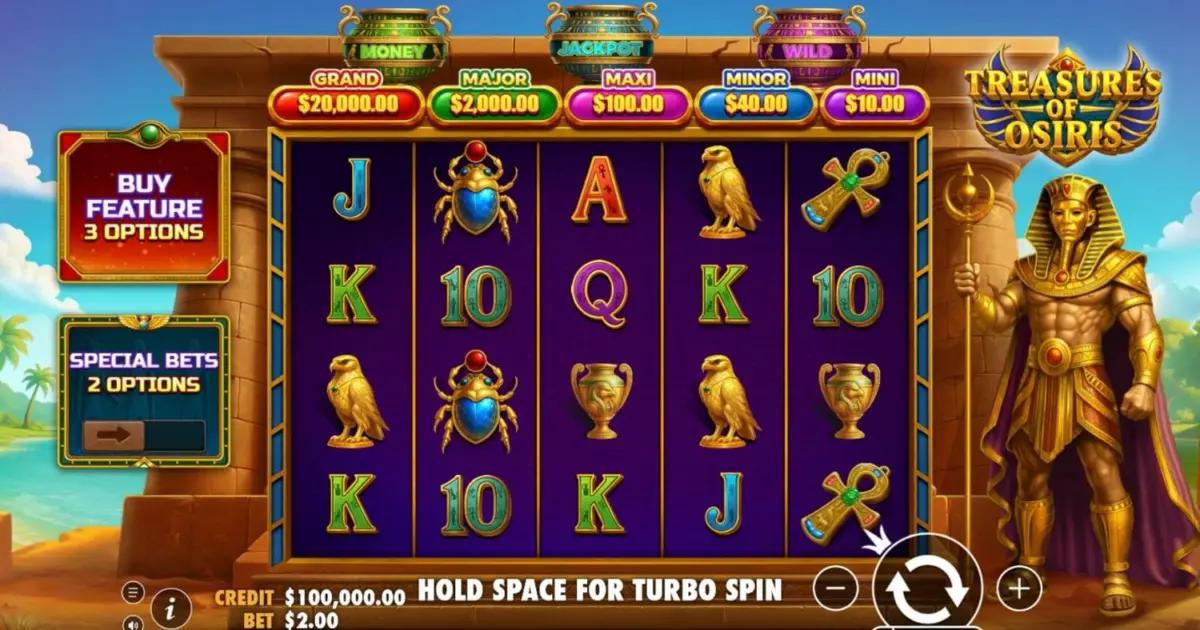
If you judge a game by its published return figure, the treasures of osiris slot sits on the right side of the line: 96.52% against a market average of 95.71% in our data set. That is a real, measurable edge over the typical release, and it is the single strongest argument for putting this one on your shortlist. What Pragmatic Play has not published is a volatility rating, a max win multiplier or a stake range, so parts of the picture below are deliberately left blank rather than guessed at.
Treasures of Osiris at a glance
The confirmed specification is short, which is normal for a title at this end of a 739-game catalogue. Five reels, an Egyptian theme, Pragmatic Play as the studio, and a free demo you can load without depositing.
| Detail | Value |
|---|---|
| Provider | Pragmatic Play |
| RTP | 96.52% |
| Reels | 5 |
| Theme | Egypt |
| Type | Slot machine |
| Popularity rank | 2,892 (85.5th percentile) |
| Provider average RTP | 96.32% |
| Market average RTP | 95.71% |
| Free demo | Available |
Who does that suit? Players who care more about the long-run return number than about knowing every mechanic in advance. If you need to know exactly how a bonus round triggers before you commit real money, the absence of published feature detail here will frustrate you, and the demo is the only honest way to fill that gap. Its 85.5th-percentile popularity ranking tells you it gets a reasonable amount of traffic without being one of the studio’s headline acts.
What a 96.52% RTP actually returns
RTP is a long-run statistical average, calculated across millions of simulated spins. It is not a promise about your session, your hour or your afternoon. 96.52% means the game is modelled to pay back £96.52 for every £100 wagered across a very large sample, with the remaining £3.48 retained as house edge.
Work it through. Suppose you place 1,000 spins at 20p, a stake many five-reel games support, though this one’s exact range is unpublished. That is £200 through the machine. The modelled return on £200 is £193.04, an expected cost of £6.96 for the session. Now note the gap between that expectation and reality: 1,000 spins is a tiny sample against the millions the figure is derived from, so your actual result could be well up or well down. The maths describes the shape of the long run, not the next hour.
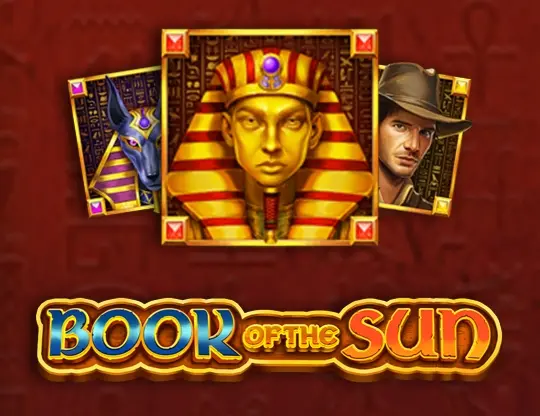
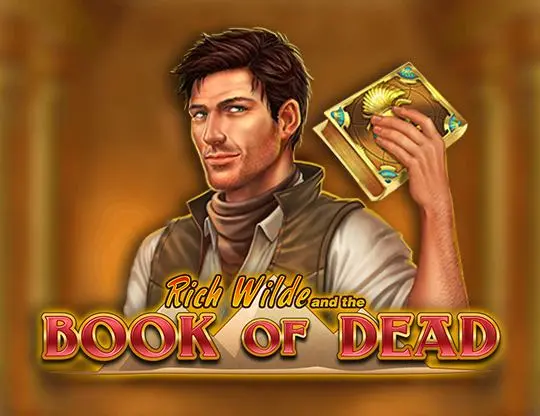
Against the wider market the comparison is favourable. At 96.52% the game runs 0.81 percentage points above the 95.71% corpus average, which on £200 wagered is roughly £1.62 less expected cost. It also edges Pragmatic Play’s own 96.32% catalogue average by 0.2 points. Among Egypt slots the contrast is sharper still: the theme includes long-running titles like Book of Dead at 94.25%, a full 2.27 points lower, and Book of the Sun at 96.23%.
Volatility and what your session will feel like
Pragmatic Play has not published a volatility rating for this title, so any number you see quoted elsewhere is someone’s estimate rather than studio data. Treat it that way. What is worth understanding is what the three broad bands do to a session, because that shapes how much money you need in front of you.
Low volatility games pay small amounts often. Balances drift down gently, sessions last a long time on a modest budget, and the biggest results are rarely more than a few dozen times stake. Medium volatility sits in between: noticeable dry spells, occasional results large enough to move your balance meaningfully. High volatility games pay rarely and pay big when they do, which means long stretches of nothing punctuated by outliers, and a bankroll requirement several times larger for the same number of spins.
Critically, volatility does not change RTP. A high-variance game and a low-variance game at 96.52% have the same expected cost per pound wagered; they just deliver it with different lumpiness. Since the rating is unpublished here, the demo is where you find out. Track how often 100 spins produce anything, and how deep the quiet runs go.
The 5-reel layout and how wins are counted
Five reels is the standard modern format and has been since video slots replaced mechanical three-reelers. Symbols land in a grid, and the game checks that grid against whatever win rule it uses.
The payline count and win mechanic for this title are not in the published data, which matters more than it sounds. Across the wider slot market, the same five reels can be resolved several different ways. Fixed paylines award on specific left-to-right patterns, typically 10, 20 or 25 of them. “Ways” or “all ways” systems drop lines entirely and pay any matching symbols in adjacent reels regardless of row position, which is where figures like 243 or 1,024 ways come from. Cluster and scatter-pays mechanics ignore reel adjacency altogether and count total symbol occurrences anywhere on screen.
Many five-reel slots also carry wilds that substitute for other symbols, scatters that trigger free spins, or a paid feature-buy option. Those are general market conventions, not confirmed features of this game, and I am not going to tell you it has them when the data does not say so. Load the demo and read the in-game paytable, which is always the authoritative source.
Stake range and sizing a bankroll
No minimum or maximum stake has been published for this title. That is a genuine gap, since stake range is what determines whether a given budget buys you 200 spins or 2,000. Check the in-game bet selector before you commit anything.
The sizing principle holds regardless. Decide the amount you are willing to spend first, then divide by the number of spins you want from the session, and let that quotient set your stake. A £40 budget stretched across 400 spins means 10p a spin. The same £40 at £1 a spin buys 40 spins, and at 96.52% RTP the expected cost is identical per pound wagered either way, roughly £1.39 on £40 through the machine. The difference is entirely in how quickly you find out where you landed relative to expectation.
One thing not to do is adjust stakes based on what just happened. Every spin is an independent event with the same odds as the last, so no progression, no chasing and no timing pattern changes expected value. The maths is indifferent to your sequence.
Playing the Treasures of Osiris slot demo before you commit
A Treasures of Osiris free demo is available, and given how much of this game’s specification is unpublished, it is the sensible starting point. Twenty minutes in demo mode tells you the paytable, the bet range, the win mechanic and roughly how often the reels produce something. No download, no deposit, no account.
One honest caveat: demo results tell you nothing about what real-money play will do. The random number generator is the same, but your demo sample is far too small to reveal anything about return, and a good demo run is luck rather than evidence.
When and if you move to real stakes, the framing that keeps this sustainable is simple. You must be 18 or over. Set a budget before you open the game, treat that money as the price of the entertainment rather than an investment, and stop when it is gone rather than topping up. Slots are designed to cost money over time, which is what a 3.48% house edge means in practice.
Verdict: who should play Treasures of Osiris
The case for it rests on one strong number and one significant unknown. 96.52% is 0.81 points above the market average and above Pragmatic Play’s own catalogue average, which is a real if modest advantage over the typical release. Against that, the missing volatility rating, stake range, payline count and max win figure mean you are buying partly blind unless you test it first.
That makes it a reasonable pick for players comfortable using the demo as their spec sheet, and a poor pick for anyone who wants the full picture up front. If you want documented alternatives from the same studio at a similar return, Gates of Olympus at 96.5% is one of the most heavily played games Pragmatic Play makes, and Sweet Bonanza sits at 96.51%. Within the Egyptian theme, this title’s return beats most of what is on the shelf. Load the demo, read the paytable, then decide.
More from Pragmatic Play
- Power of Thor Megaways — 96.55% RTP
- Sticky Bees — 96.06% RTP
- Queenie — 96.51% RTP
- Sweet Bonanza — 96.51% RTP
- Madame Destiny Megaways — 96.56% RTP
- Gates of Olympus — 96.5% RTP
- Hot to Burn — 96.71% RTP
- Gates of Heaven — 98.0% RTP
Frequently Asked Questions
Can you play Treasures of Osiris for free?
A free demo of Treasures of Osiris is available, with no download and no deposit required. Demo mode uses the same random number generator as the real-money version, so it is a fair way to learn the paytable, bet selector and win mechanic, which is useful here because Pragmatic Play has not published those details.
What is the RTP of Treasures of Osiris?
The RTP is 96.52%, meaning the game is modelled to return £96.52 per £100 wagered across a very large sample. That leaves a 3.48% house edge. It runs 0.81 percentage points above the 95.71% market average in our data and 0.2 points above Pragmatic Play's 96.32% catalogue average.
Is Treasures of Osiris high or low volatility?
Pragmatic Play has not published a volatility rating for this title, so treat any figure quoted elsewhere as an estimate. Volatility affects how lumpy your results feel and how large a bankroll you need, but not the 96.52% return figure. The demo is the practical way to gauge how often the reels pay.
Who makes Treasures of Osiris?
Pragmatic Play, a studio with 739 games in our database and an average published RTP of 96.32% across them. Their better-known Pragmatic Play slots include Gates of Olympus at 96.5%, Sweet Bonanza at 96.51% and Joker's Jewels at 96.5%, all of which sit within two hundredths of a point of this title's return.
How does Treasures of Osiris compare to Book of Dead?
On published return it is clearly ahead: 96.52% against 94.25% for Book of Dead, a gap of 2.27 percentage points. On £200 wagered that difference is about £4.54 in expected cost. Book of Dead's mechanics are far better documented, though, which may matter more to you than the RTP margin.