Champion Bingo II is worth a look if you want a bingo room from FBM Digital Systems that you can try without spending a penny — the free demo is confirmed available. The catch is that the operator has not published a return-to-player figure for this room, which is common in bingo since the prize pool depends on how many tickets sell. That makes the free demo genuinely useful: it is the only way to get a feel for the room’s pace and presentation before you decide whether to buy in.
What kind of bingo is Champion Bingo II?
Champion Bingo II is a bingo product from FBM Digital Systems, and its name is about as much as the room tells you about its format. The title carries a “winner” framing, which is a common theme across the genre, but it does not specify a ball count. That means you cannot assume this is 90-ball, 75-ball, or a speed variant just from the label alone.
What you can rely on is the universal structure of online bingo, because it applies to every room regardless of format. Numbers are called at random — typically 1–90 in 90-ball, 1–75 in 75-ball, and 1–30 or 1–50 in speed variants — and every ticket in the room marks the same sequence of calls. Champion Bingo II is not a personal RNG spin the way a slot is; it is a shared draw, where your ticket is matched against the same numbers as everyone else’s.
If the room follows the 90-ball template, you would be playing three prize tiers within one game: one line, two lines, then full house. If it is a speed format, you would be chasing a single full-house win on a smaller card for faster rounds. But since the operator has not stated the format, treat that as an open question. The right move is to check the room’s own rules or paytable page before you buy in, or to use the free demo to count the balls yourself.
| Provider | FBM Digital Systems. |
|---|---|
| Free demo | Yes |
| Site-wide average RTP | 94.41% |
The maths of a shared draw
The single most important thing to understand about bingo, and about Champion Bingo II, is that your “skill” is essentially zero in standard auto-daub online bingo. Every player marks the same numbers, so the outcome — who completes a line or full house first — is decided entirely by which numbers each ticket happens to hold, chosen before the numbers are called. There is no decision point where you outplay another player.
This changes what your money is doing. In a slot, each spin is an independent event with a symbol-weighted RNG reel. In bingo, the return is set by how the operator structures the prize pool relative to ticket sales. That is why a bingo RTP figure, where published, should be read as “share of stakes returned as prizes” rather than a per-spin return. It is a property of the room’s prize structure, not of any individual draw.
Buying more tickets for the same game increases your chance of being the one to win, because you cover more of the possible outcomes. But it does not change the expected value per unit staked. More tickets means more exposure to the same house edge, not better odds per pound spent. If the prize pool is set at, say, a 90% return structure, buying ten tickets instead of one still leaves you facing that same 90% share of your total stakes coming back as prizes.
Where the RTP% comes from
FBM Digital Systems has not published a return-to-player figure for Champion Bingo II. That absence is not a red flag in bingo the way it might be in slots, because the maths is structurally different. In a slot, the RTP is a fixed property of the reel weighting and can be stated precisely. In bingo, the return depends on how many tickets sell for a given prize pool, so the figure can shift between sessions.
What the data does tell you is context about the provider. FBM Digital Systems offers 17 games on this site, and its average published RTP across those games sits at 95.81%, against a corpus average of 94.41%. That is a useful signal about the studio’s general approach, but it is not a number you can apply to Champion Bingo II. The room’s own return is unpublished, and borrowing the provider average would be guesswork.
The honest reading is this: you do not know the return on Champion Bingo II, and the operator has chosen not to state it. That makes the room’s own paytable or rules page the only authoritative source. Before you buy in with real money, that page is where you need to look for the prize-pool structure. The free demo cannot tell you the return either — it can only show you how the game plays.
Reading the room’s rules before you buy in
Because the return figure is unpublished, the rules page is not a formality for Champion Bingo II — it is the single most important document in the room. That page is where the prize-pool structure gets set out, and it is the only place you can learn what share of stakes actually comes back as prizes for a given number of tickets sold.
Look for a few specific things when you read it. First, the prize tiers: if this is a 90-ball game, you are playing for one line, two lines, and a full house; if it is a speed format, it is a single full-house win. Second, the ticket price and how many cards you can buy for a round — that determines both your stake and your coverage of the possible outcomes. Third, any cap or guarantee on the prize pool, because a guaranteed pot changes the maths of your return in a way an open pool does not.
None of this is a promise of winnings. It is the opposite: it is the information you need to know what you are actually paying for. A bingo room’s payout is a structure you can read before you play, and reading it is the difference between buying in informed and buying in blind.
How Champion Bingo II compares to other rooms
Champion Bingo II sits among a small family of FBM Digital Systems titles on this site, and the natural comparison is to the provider’s other games. Multi Mega Full HD and Multi Mega – Classic are both FBM products with no published RTP, which puts them in the same boat as Champion Bingo II on that front. Plus 3 – Classic rounds out that group, and all three are worth checking if you want to see how FBM’s bingo rooms vary in presentation and pace.
What separates them is not a number you can quote — none of these rooms publish a return figure — but the feel of the product. That is exactly where the free demo earns its keep. You can run Champion Bingo II alongside the other FBM rooms in demo mode and judge for yourself which one you actually enjoy, without risking a pound on any of them.
One thing to note: a themed bingo product like this can bundle side games or slot-style bonus rounds, but those run on their own separate mechanics. Do not assume Champion Bingo II has them just because the theme is competitive — the presence of a side game has to be confirmed in the room’s own description, not guessed at from a name.
Free demo and staying in control
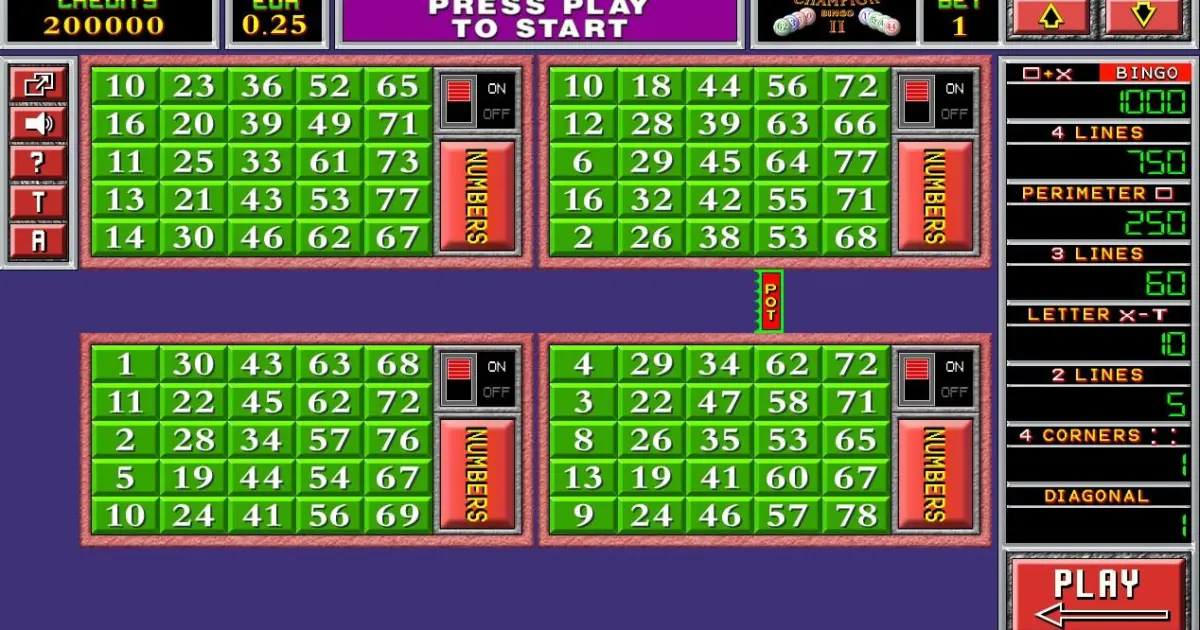
The free demo for Champion Bingo II is confirmed available, and it is the single best tool you have for deciding whether this room is worth your time. It lets you see the call speed, the card layout, and the general flow of a round without committing a penny. What it cannot do is predict real-money outcomes — demo play and real-money play are different environments, and nothing you see in a free round tells you what a paid round will return.
That is the point where the responsible-gambling line comes in. Bingo is entertainment you pay for, not income. Set a budget in advance and treat any spend as the cost of the game itself, not as an investment in a win. The 18+ rule applies here as anywhere else — if you are not old enough to play, the demo is the only part of this review that applies to you.
Use the demo to answer the real question: does Champion Bingo II feel like a room you want to sit in? If yes, read the rules page, set your budget, and play with that number in mind. If the format or pace is not to your taste, the demo has saved you the cost of finding that out the expensive way.
Final verdict
Champion Bingo II is a solid, unremarkable entry in the bingo category from FBM Digital Systems, and the lack of a published RTP is the main thing you need to weigh before playing. The free demo is your best move here — it costs nothing, and it tells you more about whether this room suits you than any review can.
The bottom line: try the demo first, read the rules page second, and only then decide on a budget. The shared-draw maths means your return is set by the prize-pool structure, not by anything you do at the table, so the only real decision you make is how much to stake. Make that decision with the rules in front of you, and you have done everything a bingo player can do.
Frequently Asked Questions
Can I play Champion Bingo II for free?
Yes, the free demo for Champion Bingo II is confirmed available. It lets you see the call speed, card layout, and round flow without spending anything. The demo cannot predict real-money outcomes, but it is the best way to judge whether the room suits you before you buy in.
What is the RTP for Champion Bingo II?
FBM Digital Systems has not published a return-to-player figure for this room. In bingo, the return is set by the prize-pool structure relative to ticket sales, so the figure can shift between sessions. Check the room's own paytable or rules page for the prize structure before you buy in.
Does skill or card choice affect my odds in Champion Bingo II?
In standard auto-daub online bingo, skill is essentially zero. Every player marks the same numbers, so the outcome is decided by which numbers your ticket holds, chosen before the draw. Card choice does not change the expected value per unit staked either.
Who is the provider of Champion Bingo II?
The provider is FBM Digital Systems, which offers 17 games on this site with an average published RTP of 95.81% across its titles. That average is not a figure you can apply to Champion Bingo II specifically, since this room's own return is unpublished.
Does buying more cards improve my value per pound in Champion Bingo II?
No. Buying more tickets increases your chance of being the one to win, because you cover more outcomes, but it does not change the expected value per unit staked. More tickets means more exposure to the same house edge, not better odds per pound spent.