The single most important thing to know about the three gods slot is what is missing: Ka Gaming has not published an RTP percentage, a volatility rating, or a maximum win figure for it. That leaves you judging a six-reel game on its feel rather than its maths, which is a weaker position than you would be in with most titles. The free demo is available, so you can at least look before deciding, and the sections below set out exactly what the published data supports and what it does not.
Is Three Gods worth playing?
It is worth a look in demo form, and a cautious one with money, purely because the numbers that would normally justify a stronger recommendation are absent. When a return-to-player percentage is published, you can compare it against a provider average or a market average and decide whether the game is competitive. Here you cannot do that at all.
What is on record is modest but real. The game runs on six reels, sits in the Slot Machine subcategory, and comes from Ka Gaming, a studio with 602 titles in the catalogue. It ranks 2,511 by popularity, placing it in the 87.4th percentile — meaning it draws more traffic than roughly seven out of eight games tracked. Popularity is a measure of attention, not of generosity, and it says nothing about how the game pays. Plenty of heavily played slots return less than quieter ones.
So the honest verdict is conditional. If you enjoy the format and treat the demo as the whole experience, there is nothing here to warn you off. If you want to know your statistical position before staking anything, this title does not give you the information to work it out.
| Provider | Ka Gaming |
|---|---|
| Reels | 6 |
| Free demo | Yes |
| Site-wide average RTP | 95.71% |
What a missing RTP means for the three gods slot over 1,000 spins
RTP is a long-run average of how much of the total amount wagered a game returns across an enormous number of spins. A 96% figure means £96 returned per £100 staked over a sample far larger than any one person plays. It is not a promise about your session, and short runs routinely land well above or well below it.
Work through the arithmetic to see why the missing number matters. At £0.20 a spin, 1,000 spins puts £200 through the game. A 96.5% RTP implies a theoretical return of about £193 across that turnover, an expected cost of roughly £7. At 94%, the same 1,000 spins carry an expected cost nearer £12. At 90%, around £20. Same number of spins, same stake, and the long-run cost of play nearly triples.
Since Ka Gaming has not published a figure for this game, you cannot place it anywhere on that scale. Two related data points give context without substituting for it: the provider’s average RTP across its published titles is 94.47%, while the average across all games tracked here is 95.71%. Ka Gaming therefore sits about 1.24 percentage points below the wider average. That is a statement about the studio’s catalogue, not about this specific release, and it would be wrong to assume the game inherits it.
How volatile is Three Gods?
No volatility rating has been published, so this is another judgement you will have to make from observation rather than data. Volatility describes how returns are distributed rather than how large they are in total. Two games can share an identical RTP and still feel nothing alike.
Low-volatility slots pay small amounts often. Balances drift down gently, sessions last a long time on a given bankroll, and the swings are mild. High-volatility slots do the opposite: long stretches of nothing punctuated by occasional larger returns, which means a bankroll that would comfortably survive a low-volatility session can vanish quickly. Medium sits between the two, which is where most releases land.
Six reels is a structural detail, not a volatility signal. Wider reel sets often carry more symbol positions and can support different payout mechanics, but reel count alone tells you nothing about swing size. If you want to gauge behaviour, the practical approach is to run a few hundred demo spins at a fixed stake and watch how long the balance holds and how often anything lands. That gives you an impression, not a measurement — a few hundred spins is a small sample, and each spin is independent of the last.
What the 6-Reels theme brings to the game
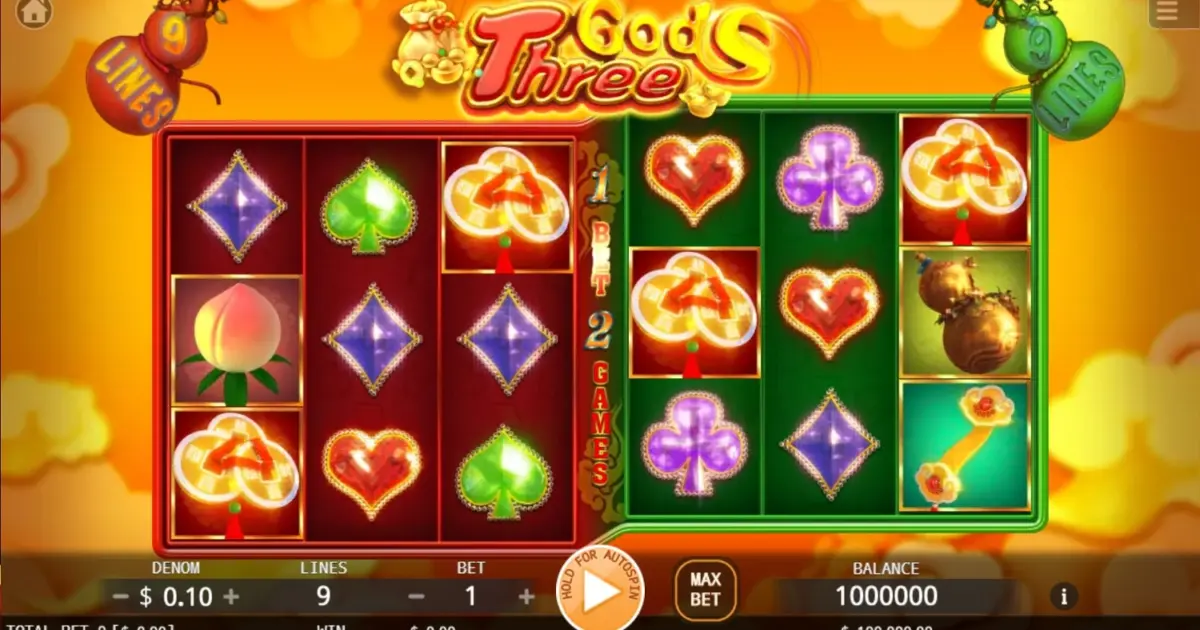
The only theme label recorded for this title is “6-Reels”, which is a description of the layout rather than a subject. There is no published information about visual style, setting, symbols or soundtrack, and the game’s name is not something to build assumptions on. Anything you read elsewhere describing specific characters or scenes is not drawn from published data.
What the layout label does tell you is that the grid is wider than the traditional five-reel arrangement. In general terms, six-reel games have more reel positions to fill, which is why studios often pair them with mechanics designed for wider grids. Whether this game does any of that is unstated, and it would be invention to claim otherwise.
The practical takeaway: treat the theme field as layout information and nothing more. If presentation matters to your enjoyment, the demo is the only reliable way to see what you are getting, and it costs nothing to find out.
Stakes, session length and bankroll
The minimum and maximum stakes have not been published either, so the specific range will only become visible once you open the game. That does not stop you from planning, because the planning method is the same for every slot.
Decide your total budget first, then choose a stake that gives you the session length you want. As a rough guide, dividing your budget by your stake gives you the number of spins you could afford if the game returned nothing at all — the worst case, and a useful floor. A £40 budget at £0.20 a spin is 200 spins on that basis; in practice partial returns stretch it further. At £2 a spin, the same £40 covers 20 spins before any returns.
Because volatility is unknown here, err toward the smaller end of whatever range the game offers. Smaller stakes buy more spins from the same money, which means more time to see how the game behaves before your budget is spent. Stake size changes variance and session length; it does not change the underlying return percentage, and no pattern or sequence of bets can.
Alternatives if Three Gods is not for you
All three alternatives below come from the same studio, so if your hesitation is about Ka Gaming slots generally rather than this particular game, you may want to look outside the catalogue instead.
- Monkey Heist — another Ka Gaming release with no published RTP, worth a demo run if you want to compare how two games from the same studio feel side by side.
- Miss Tiger — a different subject from the same developer, useful if presentation rather than layout is what you are shopping for.
- The Primeval Rainforest — also unrated for RTP, so the same caution applies, but it gives you a third reference point for the studio’s style.
None of these has a published return figure, which is a pattern worth noting: if disclosed RTP is important to you, filter for it before choosing a game rather than after.
Final take
Three Gods is a six-reel Ka Gaming title with a solid popularity position and almost no published maths behind it. The Three Gods free demo is the sensible starting point, and possibly the sensible finishing point, because a demo lets you assess presentation and pacing at zero cost. Demo results do not predict real-money outcomes — the sample is small and every spin is independent, so a good run in practice mode means nothing for a paid session.
Play only if you are 18 or over, set a budget before you start, and treat the amount as the price of entertainment rather than money you expect back. If tracking what you have spent stops being easy, stop.
More from Ka Gaming
- Monkey Heist
- Miss Tiger
- Alice In MegaLand — 96.0% RTP
Frequently Asked Questions
Can you play Three Gods for free?
A free demo of Three Gods is available, so you can spin it with virtual credits and no deposit. This is the most useful way to approach the game, since Ka Gaming has not published an RTP percentage or volatility rating. The demo shows you pacing and presentation, though it reveals nothing reliable about long-run returns.
What is the RTP of Three Gods?
No RTP figure has been published for Three Gods, so treat any percentage quoted elsewhere with suspicion. For context, Ka Gaming's average across its rated titles is 94.47%, while the average across all games tracked here is 95.71%. Those are catalogue-level numbers and should not be assumed to apply to this specific release.
Is Three Gods high or low volatility?
Ka Gaming has not published a volatility rating for Three Gods, so the risk profile is unconfirmed. Low volatility means frequent small returns and longer sessions; high volatility means long dry runs and bigger swings. Its six-reel layout is a structural detail and gives no indication either way. Demo spins offer an impression, not a measurement.
Who is Ka Gaming and what else do they make?
Ka Gaming is the studio behind Three Gods, with 602 titles in the catalogue tracked here and an average published RTP of 94.47%. Other releases include Monkey Heist, Miss Tiger and The Primeval Rainforest, none of which carry a published return figure either, so the same information gap applies across much of the range.
How much should you bet per spin on Three Gods?
The stake range has not been published, so you will see the available limits when the game loads. Because volatility is also unrated, the lower end of whatever range is offered is the safer starting point: more spins from the same budget means more time to observe the game. Stake size affects session length, not return percentage.