The number that matters most on this title is the return-to-player figure: 96.4%. That sits above the 95.71% average across the games catalogued on this site and above TrueLab Games’ own portfolio average of 95.88%, calculated across their 55 listed titles. It ranks 1,698th by popularity, which places it in roughly the 91.5th percentile of traffic.
So the short answer to “should I bother?” is that the maths is better than typical for a festive release, and a free demo exists so you can look at it without staking anything. What you will not find below is a description of bonus rounds, symbol values or a maximum win, because TrueLab Games has not published those figures in the data available here. Anything you read elsewhere quoting a specific max-win multiplier on this christmas tree slot is not something you can verify from the provider’s published information, so treat it sceptically.
Christmas Tree at a glance
Here are the figures that are confirmed. Everything absent from this table is absent because it has not been published, not because it has been left out for brevity.
| Field | Detail |
|---|---|
| Provider | TrueLab Games |
| RTP | 96.4% |
| Game type | Slot machine |
| Themes | Holiday, Christmas |
| Popularity rank | 1,698 (91.5th percentile) |
| Provider portfolio | 55 titles, 95.88% average RTP |
| Site-wide average RTP | 95.71% |
| Free demo | Available |
The gaps are worth naming directly. Volatility is not published for this title. Nor is the reel or payline count, the stake range, the hit frequency, or any bonus-feature detail. That means three of the seven questions most players ask before spinning cannot be answered from the provider’s own figures, and the demo becomes the practical way to fill them in. Among 329 holiday-themed games listed here, this one’s published return puts it near the top of that group.
What a 96.4% RTP actually returns
RTP is a long-run statistical average, not a session promise. At 96.4%, the theoretical return is £96.40 for every £100 wagered, measured across a sample far larger than any individual will ever play. The 3.6% house edge is what the operator keeps over that same enormous sample.
Work it through. Wager £1 per spin for 1,000 spins and you have staked £1,000; the theoretical return is £964, an expected cost of £36. Take that to 10,000 spins at £1 and the expected cost is £360. Neither figure predicts your actual result. Variance around the mean is wide over 1,000 spins and only narrows as the sample grows into the hundreds of thousands.
Against the 95.71% site average, 96.4% saves you £6.90 in expected cost per £1,000 wagered. That is a genuine but modest edge improvement, and it is worth more the longer you play. Compared with Lucky Santa Bonanza at 96.12% and Santa Sphere: Hold the Spin at 96.05%, this title returns more per unit staked. Sweet Bonanza Xmas edges ahead at 96.51%, though the difference of 0.11 points amounts to about £1.10 per £1,000 wagered.
Unpublished volatility and what your session will feel like
TrueLab Games has not published a volatility rating for this game, so nobody can honestly tell you whether it pays in small frequent amounts or rare large ones. The distinction matters more than most players assume.
Low volatility generally means frequent small returns, a bankroll that drains slowly, and long sessions with modest swings. High volatility generally means long dry stretches punctuated by larger hits, which requires a deeper bankroll to survive the gaps without going bust before variance turns. Medium sits between them. Two games with identical 96.4% RTP can feel completely different depending on which profile they follow, because RTP describes the average return while volatility describes the shape of the distribution around it.
Without that rating, the demo is your measuring instrument. Spin a few hundred rounds and watch how often the balance moves, how deep the losing runs go, and how large the best result is relative to your stake. That gives you a rough feel for the shape. It is not a precise reading, and it tells you nothing about what any future session will do, because every spin resolves independently of the one before it.
The unpublished reel layout and how wins are counted
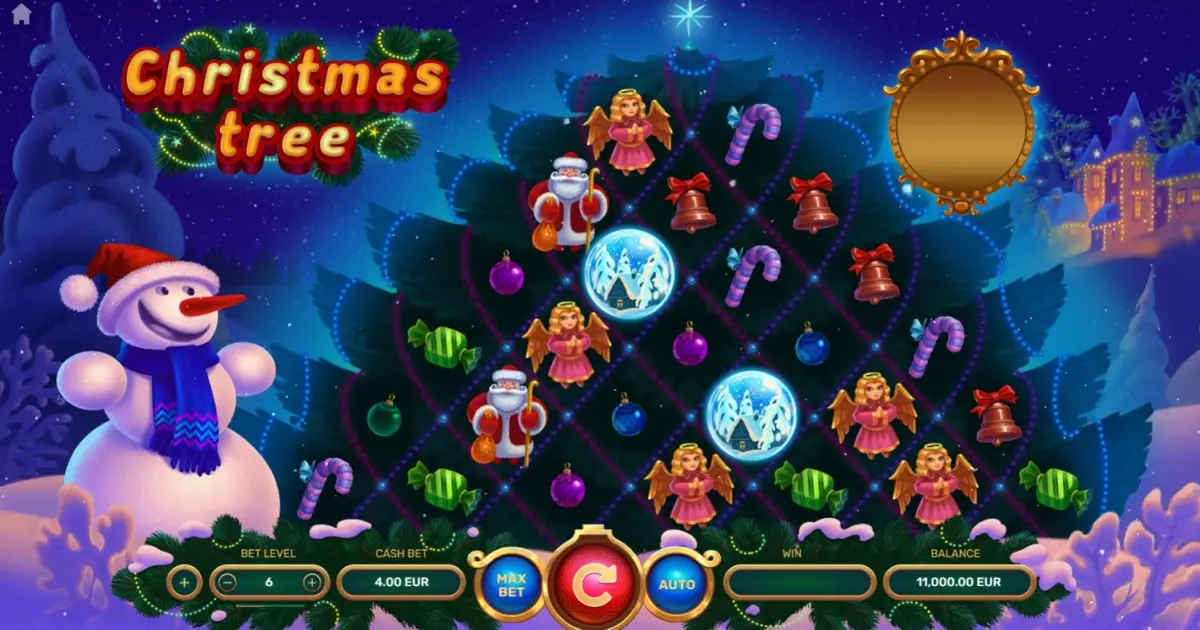
The reel count and win mechanic are also unpublished for this title, which means the demo is again the place to check. What you are looking for is the structure, and the common structures are well established.
Fixed-payline games award wins when matching symbols land on defined lines, usually left to right. Ways or all-ways games drop the line concept and pay when matching symbols appear anywhere on consecutive reels, so a 5-reel grid with three rows produces 243 ways. Cluster games pay on groups of adjacent symbols regardless of position. Cascading or tumbling mechanics remove winning symbols and drop new ones in, allowing chained results from one paid spin.
None of those is asserted here. The reason to know the difference is that it changes how you read the paytable: a payline game’s stated multipliers apply per line, while a ways game applies them per winning combination, and comparing the two without accounting for that will mislead you about what a symbol is actually worth.
Stake range and sizing a bankroll
The minimum and maximum stakes are not published in the available data, so check them in the game client before you commit anything. The sizing principle does not depend on those numbers.
Decide your session budget first, then divide. If you want roughly 200 spins from £20, your stake is £0.10. Want 500 spins from the same £20 and it drops to £0.04. More spins means smaller swings relative to your total and a longer session; fewer, larger spins means the opposite. At 96.4% RTP the expected cost of 200 spins at £0.10 is about £0.72, but the realistic range of outcomes around that is far wider than the figure suggests.
Two things not to do. Do not scale stakes up after losses to recover them, and do not scale up after wins because a run feels warm. Neither changes expected value by a single penny, because the outcome of each spin is independent. Adjusting stake only changes how quickly your budget is consumed.
Playing the Christmas Tree demo before you commit
A free demo is available and runs in the browser with no download, which is the sensible first step given how much about this game is unpublished. The demo uses the same certified maths as the real-money version, so RTP and volatility behave identically. What it cannot do is predict your results with real stakes. Demo credits carry no monetary value, cannot be withdrawn, and a good or bad demo run tells you nothing about the next session.
This game is for adults 18 or over. Set a budget before you open it, treat that money as the price of entertainment rather than an investment, and stop when it is gone rather than topping up. If the spending stops feeling like a choice, that is the point to walk away and seek support.
Verdict: who should play Christmas Tree
The 96.4% return is the strongest argument for this game, and it is a real one: better than the 95.71% site average, better than TrueLab Games’ own 95.88% portfolio mean, and better than most of the 329 holiday titles listed here. If you want a seasonal slot and care about the underlying maths, that is a sound reason to shortlist it.
The argument against is the missing information. With no published volatility, reel layout, stake range or feature detail, you cannot plan a session properly from the specs alone. Players who want that clarity before spinning will find it elsewhere. If you would rather compare studios first, Hot Devil Slot at 96.3% shows what TrueLab Games does outside the festive category at a similar return.
Use the demo, and check the paytable and stake limits yourself before staking real money. The maths here is above average; the documentation is not.
Frequently Asked Questions
Can I play Christmas Tree for free?
A free demo is available and runs in your browser with no download and no registration required. It uses the same certified 96.4% RTP maths as the real-money version, so the game behaves identically. Demo credits hold no monetary value and cannot be withdrawn, which makes the demo useful for checking layout and pace rather than chasing returns.
What is the RTP of Christmas Tree and is it good?
The RTP is 96.4%, which is above average. That returns a theoretical £96.40 per £100 wagered across a very large sample, leaving a 3.6% house edge. It beats the 95.71% average across games listed on this site by 0.69 points and TrueLab Games' 95.88% portfolio average. Short sessions will vary widely from that figure.
How volatile is Christmas Tree?
TrueLab Games has not published a volatility rating for this title, so any figure quoted elsewhere is unverified. That gap matters because volatility determines whether returns arrive as frequent small amounts or rare larger ones, and two games sharing this game's 96.4% RTP can feel entirely different. The free demo is the practical way to gauge it.
Who is TrueLab Games?
TrueLab Games is the studio behind this title and has 55 games listed on this site, averaging 95.88% RTP. Their catalogue reaches beyond holiday themes into titles such as Hot Devil Slot and Hot Hamster, both at 96.3%, and Fruity Park at 96.15%. This release's 96.4% return is the highest of that group.
How does Christmas Tree compare to Sweet Bonanza Xmas?
Sweet Bonanza Xmas has the slightly higher published return at 96.51% against 96.4% here, a gap worth roughly £1.10 in expected cost per £1,000 wagered. Both beat Lucky Santa Bonanza at 96.12% and Santa Sphere: Hold the Spin at 96.05%. This title's volatility is unpublished, so compare session feel in the demos.